

Traveling Across Continents by Road
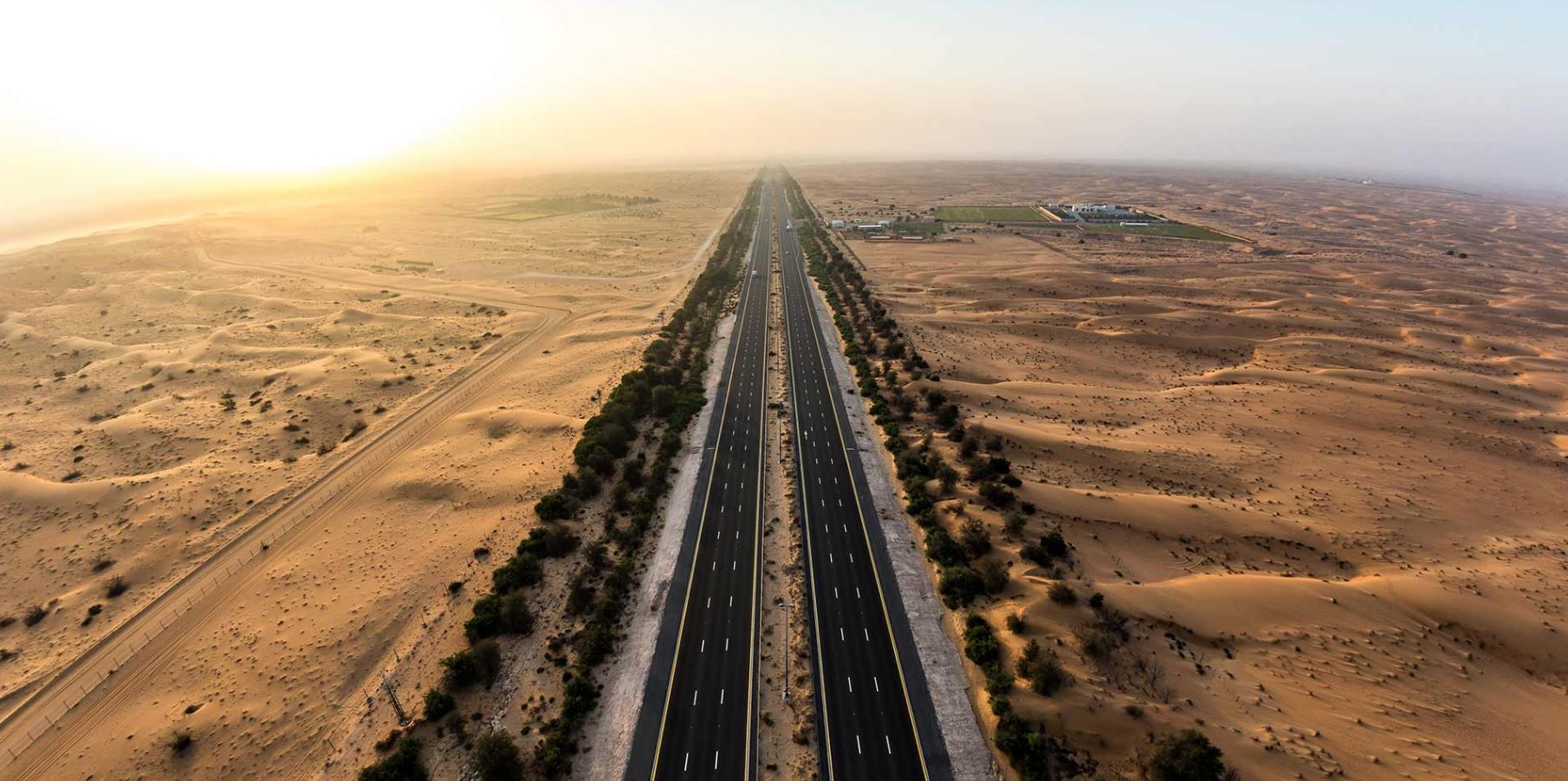
Experiences from Long-Distance Overland Journeys Around the World
The Idea Behind Overland Travel
Overland expeditions attract people who value independence, endurance, and discovery. Unlike air travel, which skips the spaces between destinations, overland travel focuses on the journey itself. It involves crossing entire regions by vehicle, train, or even bicycle, seeing how landscapes, cultures, and climates shift gradually. Many travelers choose this form of exploration to understand geography more deeply and to appreciate the transition from one environment to another. Planning such a journey requires patience and preparation. Maps replace flight tickets, and time replaces convenience. The experience appeals to those who want to slow down and connect with the world in a direct way. From the deserts of Africa to the steppes of Central Asia, overland routes challenge both body and mind. Each mile carries stories of adaptation, resilience, and learning. It is not a form of travel for comfort but for perspective, where every obstacle becomes part of the reward.
Preparation and Vehicle Setup
Before setting out on a long overland journey, preparation determines success. The vehicle becomes home, transport, and shelter, so it must be reliable and versatile. Travelers often choose four-wheel-drive trucks, converted vans, or rugged SUVs that can handle rough terrain and unpredictable weather. Custom modifications like roof tents, water storage, and solar panels make self-sufficiency possible. Packing the right tools, spare parts, and recovery equipment can make the difference between a short delay and a major setback. Equally important is planning for navigation. Offline maps, GPS trackers, and printed atlases all serve as backups when technology fails. Safety kits, first aid supplies, and emergency communication devices help in remote areas. Beyond logistics, travelers must prepare mentally for isolation, language barriers, and unexpected changes. Overland travel teaches adaptability long before the engine starts. It is about building confidence in the unknown, trusting both your equipment and your ability to handle whatever lies ahead.
Crossing Borders and Learning Bureaucracy
One of the most challenging parts of overland expeditions is crossing international borders. Each country has its own paperwork, rules, and rhythms. Travelers quickly learn that patience is the most valuable currency. Temporary vehicle import permits, visas, and insurance documents become part of daily life. Sometimes officials are friendly and curious, while other times procedures move at a frustrating pace. Understanding local customs helps ease the process. Smiling, being polite, and showing respect often open more doors than money or negotiation. Researching ahead saves time, especially for regions with complex entry requirements. Border experiences reveal how diverse systems of governance operate and how travelers must adapt to each new context. These moments test endurance but also build character. Every stamped passport page marks progress, not just geographically but emotionally. Overland travel turns bureaucracy into a lesson in patience and cultural understanding, teaching travelers that the road is as much about people as it is about places.
Driving Across Africa’s Varied Landscapes
Crossing Africa by road is one of the most demanding and rewarding overland experiences in the world. The continent offers dramatic contrasts: endless deserts, dense jungles, high mountains, and vast savannas. Routes like Cairo to Cape Town or the Trans-Saharan Highway test both equipment and determination. Travelers often encounter long stretches of unpaved roads, deep sand, or muddy tracks. Yet between these challenges lie incredible encounters. Small towns welcome strangers with warmth and curiosity, and markets overflow with color and energy. Wildlife sightings are part of the daily routine, with elephants crossing dirt roads and giraffes appearing in the distance. Overland travel in Africa demands preparation for self-reliance, as fuel stations and repair shops can be scarce. Still, it rewards persistence with experiences that no flight or tour can offer. Watching the sunrise over the Namib Desert or camping by the shores of Lake Malawi stays etched in memory long after the trip ends.
Exploring Central Asia by Road
Central Asia’s vast landscapes make it a favorite for modern overlanders. The old Silk Road still connects countries like Kazakhstan, Uzbekistan, Kyrgyzstan, and Tajikistan, each offering unique geography and culture. The Pamir Highway, often called one of the world’s highest roads, challenges drivers with steep climbs and narrow mountain passes. The scenery shifts from desert plains to alpine valleys within hours. Villages appear like mirages, offering simple hospitality and hearty meals. Overlanders often stay in yurts, learning about nomadic life that has survived for centuries. Roads can be rough, but the adventure lies in their unpredictability. Soviet-era fuel stations, winding gravel tracks, and clear star-filled skies give the region a distinct charm. The remoteness means travelers must plan carefully for fuel, food, and spare parts. Yet the journey through Central Asia captures the essence of overland exploration: freedom through movement, discovery through persistence, and connection through curiosity. Each mountain pass feels like a new world waiting to be understood.
Europe to Asia Overland Routes
Many overland travelers dream of driving from Europe to Asia, retracing historical trade routes that linked continents long before modern transportation. The journey often begins in Western Europe, passing through Eastern Europe, Turkey, and into the Caucasus before reaching Central or South Asia. The route can span months and thousands of kilometers. The diversity is staggering: alpine roads in Switzerland, arid plains in Turkey, and winding passes in Georgia’s mountain regions. Each border crossing introduces new languages, foods, and customs. In modern times, political conditions and visa restrictions influence which paths are open, but creative planning always finds alternatives. For some, the Trans-Siberian Railway offers a hybrid version of overland travel, combining comfort with distance. The challenge of crossing continents by road or rail remains timeless because it symbolizes human endurance and curiosity. Completing such a route means witnessing how geography connects civilizations, how trade shaped culture, and how modern travelers can still follow ancient paths of discovery.
Life on the Road During Long Expeditions
Overland expeditions can last weeks, months, or even years, and daily life on the road develops its own rhythm. Mornings start with packing the vehicle, checking tires, and studying maps. Meals are often cooked beside rivers or under trees, using simple ingredients that travel well. Travelers learn to live with less, finding satisfaction in routine and simplicity. Nights are spent in tents, rooftop shelters, or occasionally guesthouses. Mechanical issues, weather changes, or blocked roads interrupt plans regularly, forcing flexibility. Relationships among travel companions grow strong because teamwork becomes essential. Sharing space in a vehicle for long periods teaches communication and patience. For solo travelers, solitude becomes both a challenge and a gift, offering time for reflection. Overland travel removes distractions, leaving only the essentials: the road, the vehicle, and the horizon ahead. The days blur into one continuous experience where distance becomes secondary to the sense of movement itself.
Lessons Learned from the Road
Every overland journey leaves lasting lessons beyond geography. Travelers gain perspective on self-sufficiency, learning to fix problems rather than avoid them. They discover the kindness of strangers in places far from home and the universality of hospitality. The slow pace of travel reveals how connected the world truly is, how borders are human constructs on a shared planet. The patience required to face long delays and rough roads strengthens resilience. Overland expeditions show that adventure exists not only in remote wilderness but in the small moments: a roadside meal, a helping hand, a sunset over an unfamiliar horizon. They remind travelers that discomfort can lead to growth and that the journey itself is the purpose. Returning home after months on the road feels both familiar and foreign. The world seems smaller yet richer, and the desire for exploration rarely fades. Once you have seen continents unfold one kilometer at a time, flying feels like skipping chapters in a book you love.
The Spirit of Overland Exploration
At its core, overland travel represents the oldest form of exploration: moving through the world by one’s own means, guided by curiosity rather than schedules. Whether it is a modern expedition vehicle or a simple motorcycle, the goal remains the same: to see how far you can go and what you can learn along the way. The spirit of overland travel lies in persistence, observation, and respect for the unknown. It teaches that freedom is not about escaping responsibility but embracing uncertainty with preparation and courage. Every road, every landscape, and every encounter adds a piece to the story. Long after the tires have stopped turning, those who have traveled overland carry with them not just memories of places, but an understanding of movement itself. The road becomes more than a route; it becomes a way of seeing life as an open journey without limits. That is the enduring reward of traveling across continents by land.